INTRODUCTION
The Cotswolds remain one of England’s most recognisable countryside destinations, particularly for international groups
looking to experience traditional villages, historic market towns and quintessential English landscapes outside the major
cities. Although the region appears relatively compact on a map, planning a successful Cotswolds touring day requires
careful routing. Narrow country roads, limited coach access and the popularity of certain villages mean that trying to
include too many stops can quickly make an itinerary feel rushed.
Supporting
elegant breakout space
travel planning desk
Start with the Group’s Base
The route should always be designed around where the group begins and ends the day. Groups travelling from London
will have different priorities from those staying in Oxford, Bath, Stratford-upon-Avon or within the Cotswolds itself. For London-based groups, the region can work as a full-day excursion, but realistic motorway and local-road timings are
important. Where the Cotswolds form part of a wider tour, it can be more efficient to incorporate selected villages while
travelling between destinations.
Bourton-on-the-Water
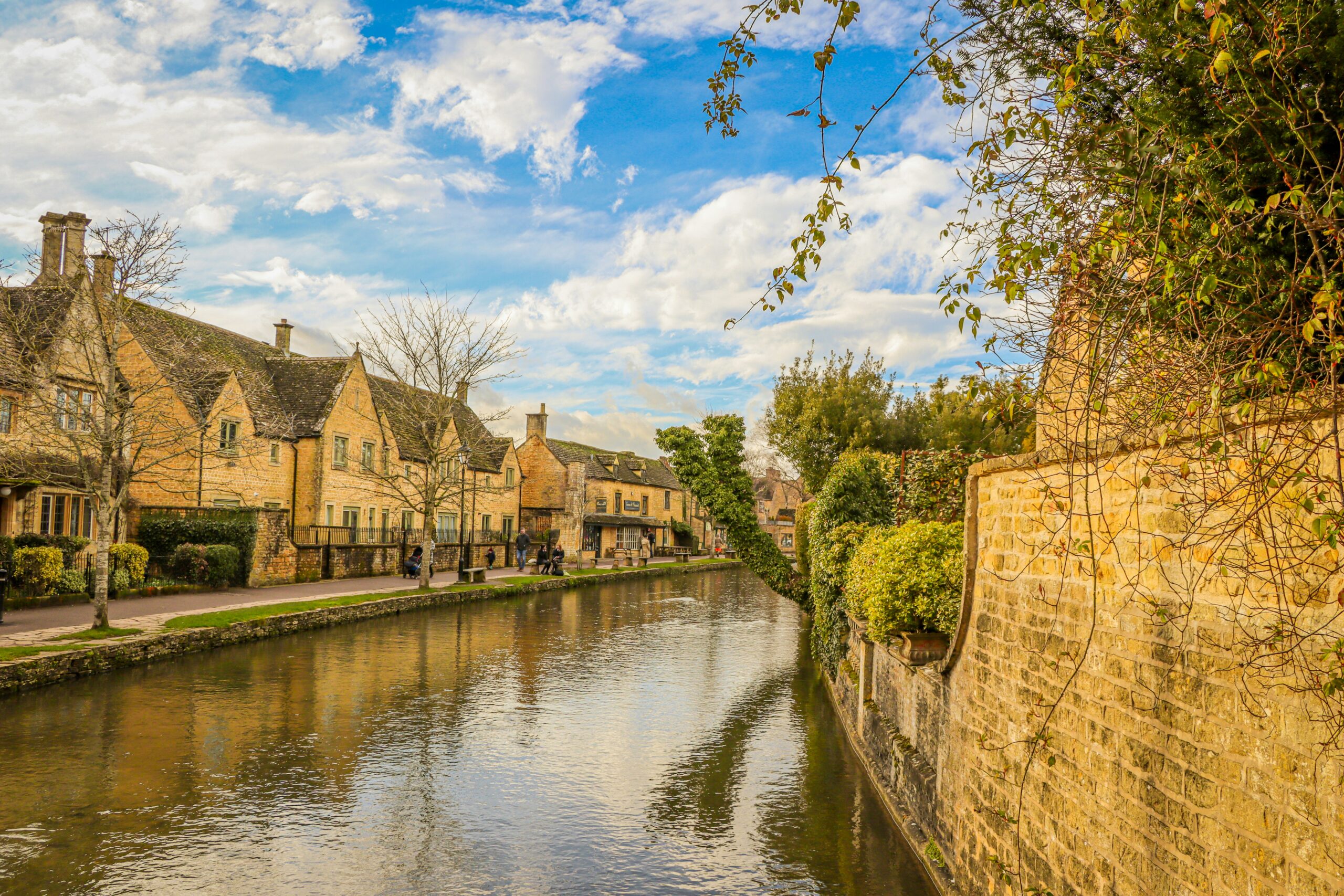
Bourton-on-the-Water is one of the best-known Cotswolds villages and provides an immediately recognisable
introduction to the region. Its riverside setting, traditional stone architecture and visitor facilities make it attractive for
first-time visitors. Its popularity, however, means timing matters. Consider arriving earlier or later in the day during busy
periods and allow genuine free time for walking, cafés, shops and photographs.
Stow-on-the-Wold
Stow-on-the-Wold offers a different experience through its market-square setting, independent shops and historic town
character. It can work particularly well for lunch or a more substantial period of free time. Combining it with a picturesque
village gives useful contrast and helps the itinerary feel varied rather than repetitive.
Bibury, Burford and Photographic Stops
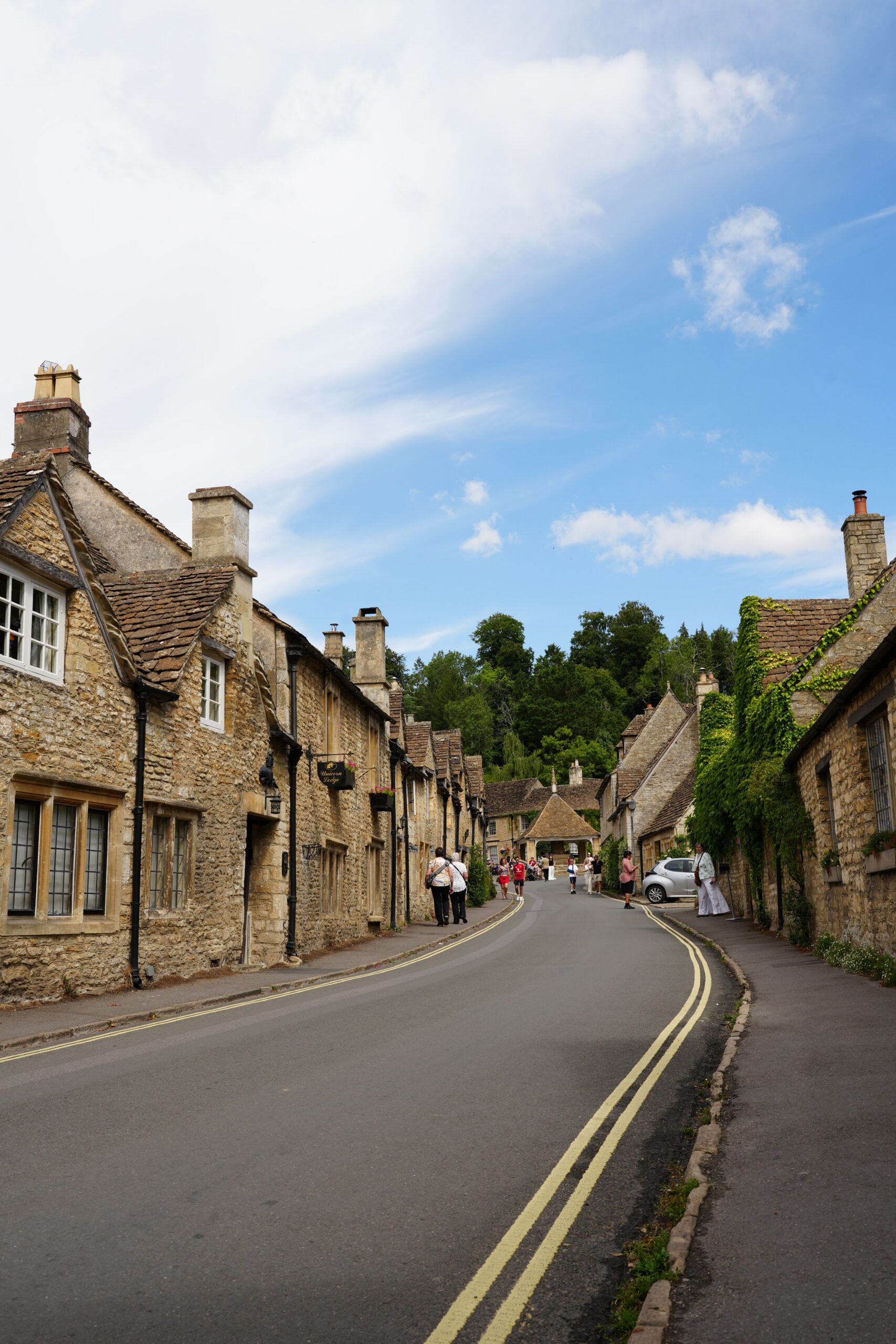
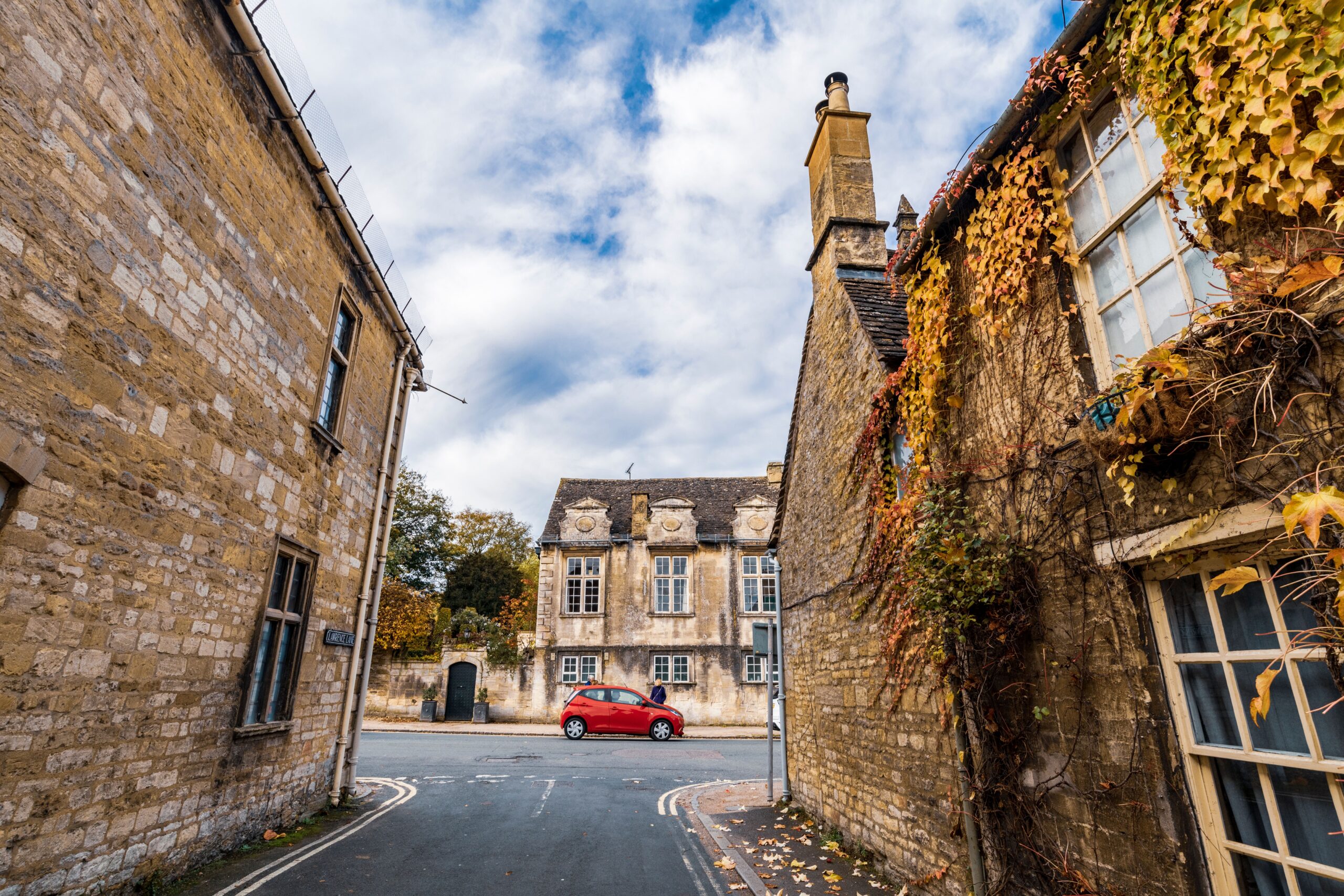
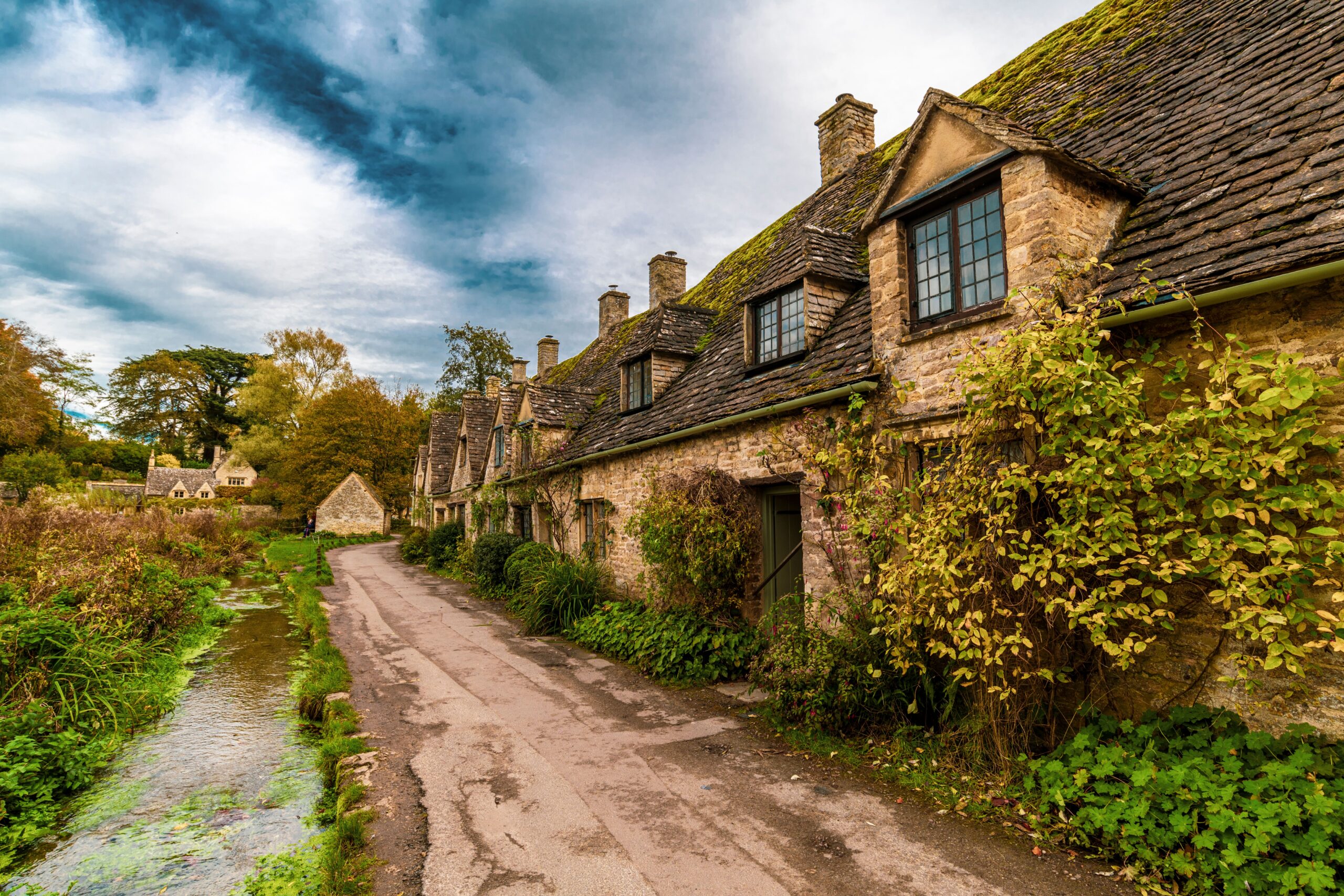
Not every destination needs to become a major visit. Bibury and smaller countryside viewpoints may work better as
shorter scenic or photographic stops, depending on coach access and current visitor conditions. Burford can provide
another town experience with cafés and shops. The key question is whether each additional stop genuinely adds variety
rather than simply adding another famous name.
Coach Access and Realistic Timing
Routes suitable for cars may not always be suitable for full-size coaches. Coach parking, permitted drop-off points, road
width, turning space and seasonal traffic should be checked close to operation. It is equally important not to schedule
every minute. Countryside touring benefits from flexibility for coffee, photographs and browsing, as well as unexpected
traffic.
Creating a More Complete Cotswolds Day
The villages can be combined with a country pub lunch, afternoon tea, a garden or heritage visit, local food experience or
time in a historic town. Repeat visitors may appreciate quieter locations beyond the most famous villages. For many
groups, two strong village experiences, a good lunch and one shorter scenic stop will feel more complete than trying to
cover four or five locations.
Expert Tips
- Limit a full day to two or three meaningful stops.
- Sequence the route around the hotel base and onward destination.
- Use the busiest villages earlier or later where possible.
- Confirm coach parking and drop-off arrangements before operation.
- Allow genuine free time for cafés, shopping and photography.
- Avoid adding villages that offer essentially the same experience.
FAQs
What is the best Cotswolds coach touring route for groups?
The best route depends on the group’s base and onward destination. A comfortable touring day generally works better with
two or three meaningful stops than a long checklist of villages.
How many Cotswolds villages should a group visit in one day?
Two or three principal stops are usually more comfortable. Bourton-on-the-Water, Stow-on-the-Wold and a shorter stop
around Bibury or Burford can provide useful contrast without making the day feel rushed.
What should be checked when planning Cotswolds coach stops?
Confirm coach parking, permitted drop-off points, local road restrictions, seasonal traffic and realistic free time. The sequence
should be planned around the group’s hotel base and onward route.
Enquire about a Cotswolds coach itinerary
Let Interopa design a well-paced Cotswolds itinerary with carefully selected villages, practical coach
routing and time to experience the character of the region.