
INTRODUCTION
Halloween provides agents with a strong seasonal hook for autumn group travel, particularly for programmes operating in
October and early November. The most successful itineraries, however, go beyond a single ghost walk or novelty
attraction. Across the UK and Ireland, historic cities, castles, underground spaces, old streets and long-established
storytelling traditions provide a natural foundation for atmospheric programmes that remain credible as cultural and
heritage experiences. For groups, this makes dark tourism especially useful: it can add an evening highlight to an
otherwise conventional itinerary without requiring the entire tour to adopt a horror theme.
Edinburgh underground heritage
historic castle atmosphere
candlelit heritage storytelling
Build the Programme Around Place, Not Just Scares
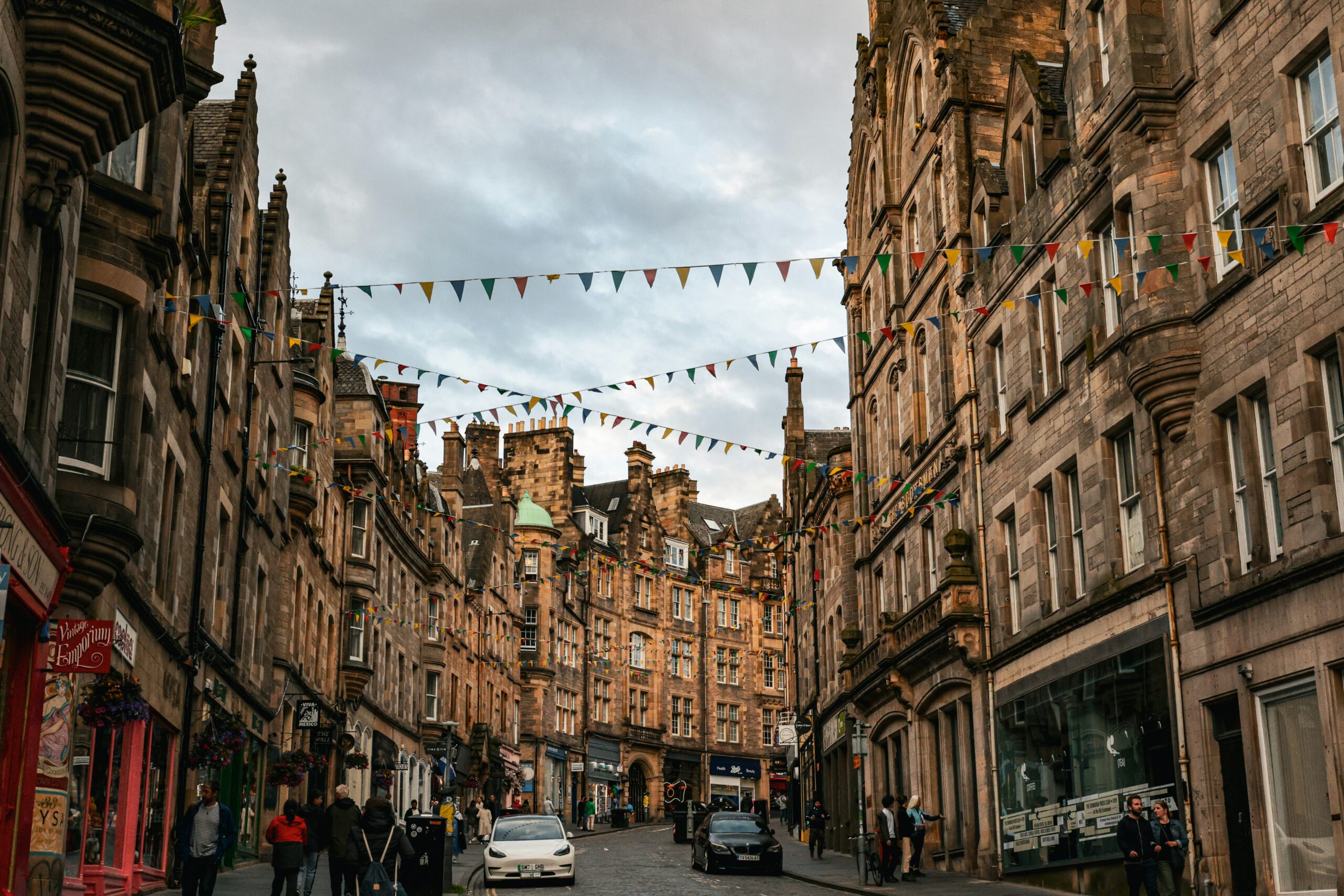
Dark tourism works best when the story belongs naturally to the destination. Edinburgh lends itself to closes, vaults and
centuries of folklore; York combines medieval streets with a strong tradition of ghost storytelling; London offers historic
narratives connected with crime, plague, prisons and executions; while Dublin can combine literary history, folklore and
darker chapters of the city’s past. Starting with genuine local history gives guides more material to work with and makes
the experience suitable for guests who are interested in culture as well as seasonal entertainment.
Edinburgh: Old Town After Dark
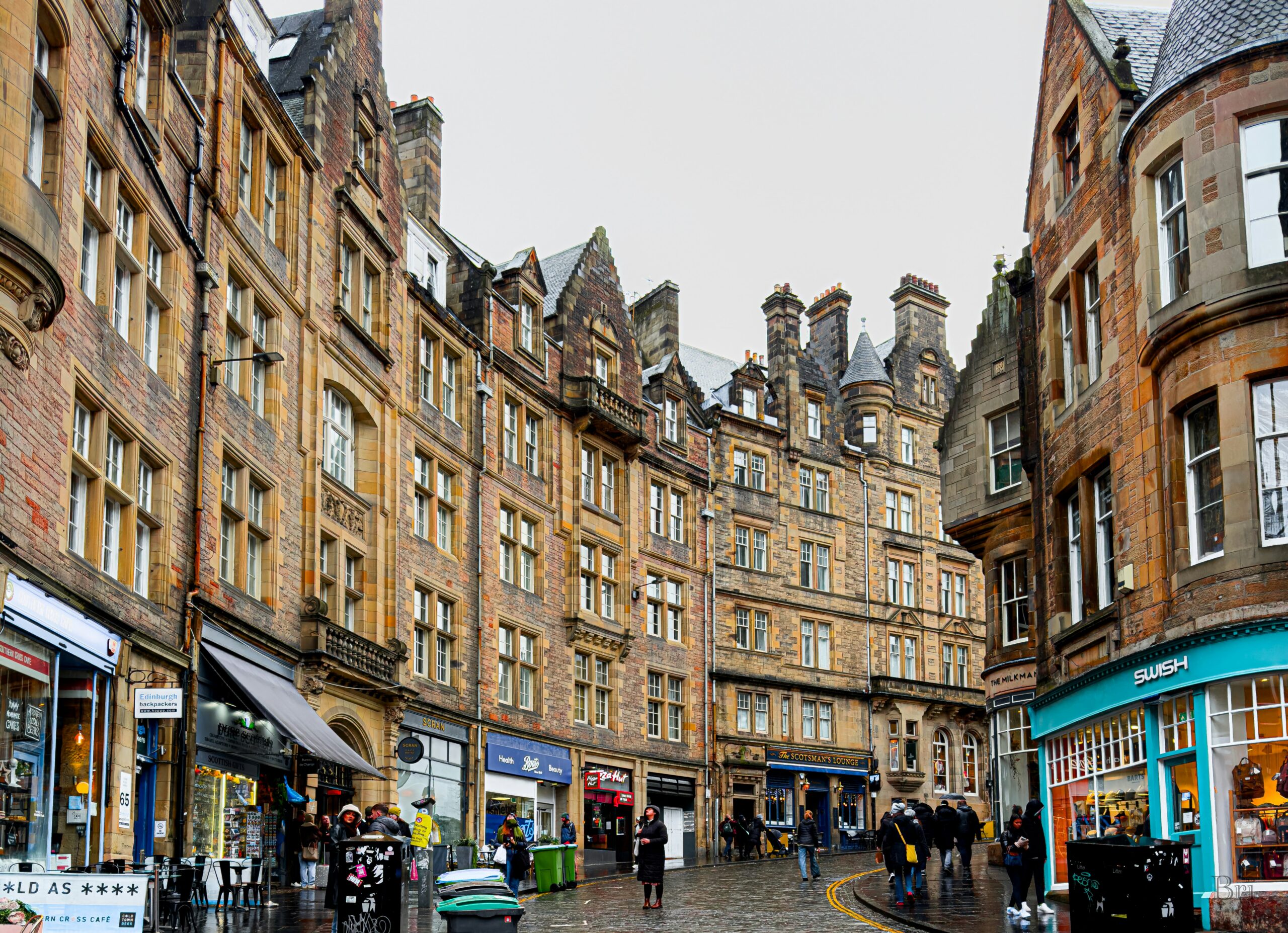
Edinburgh is particularly well suited to an autumn evening programme because much of the atmosphere already exists
within the historic fabric of the Old Town. A daytime heritage visit can lead into an early dinner, followed by a guided evening walk, underground experience or storytelling-led tour. Agents should allow comfortable transfer and meal time
before the evening departure, especially as daylight hours shorten and wet weather can affect walking pace. A private
guide or reserved group departure can also make the experience feel more controlled for larger parties.
York and Northern England
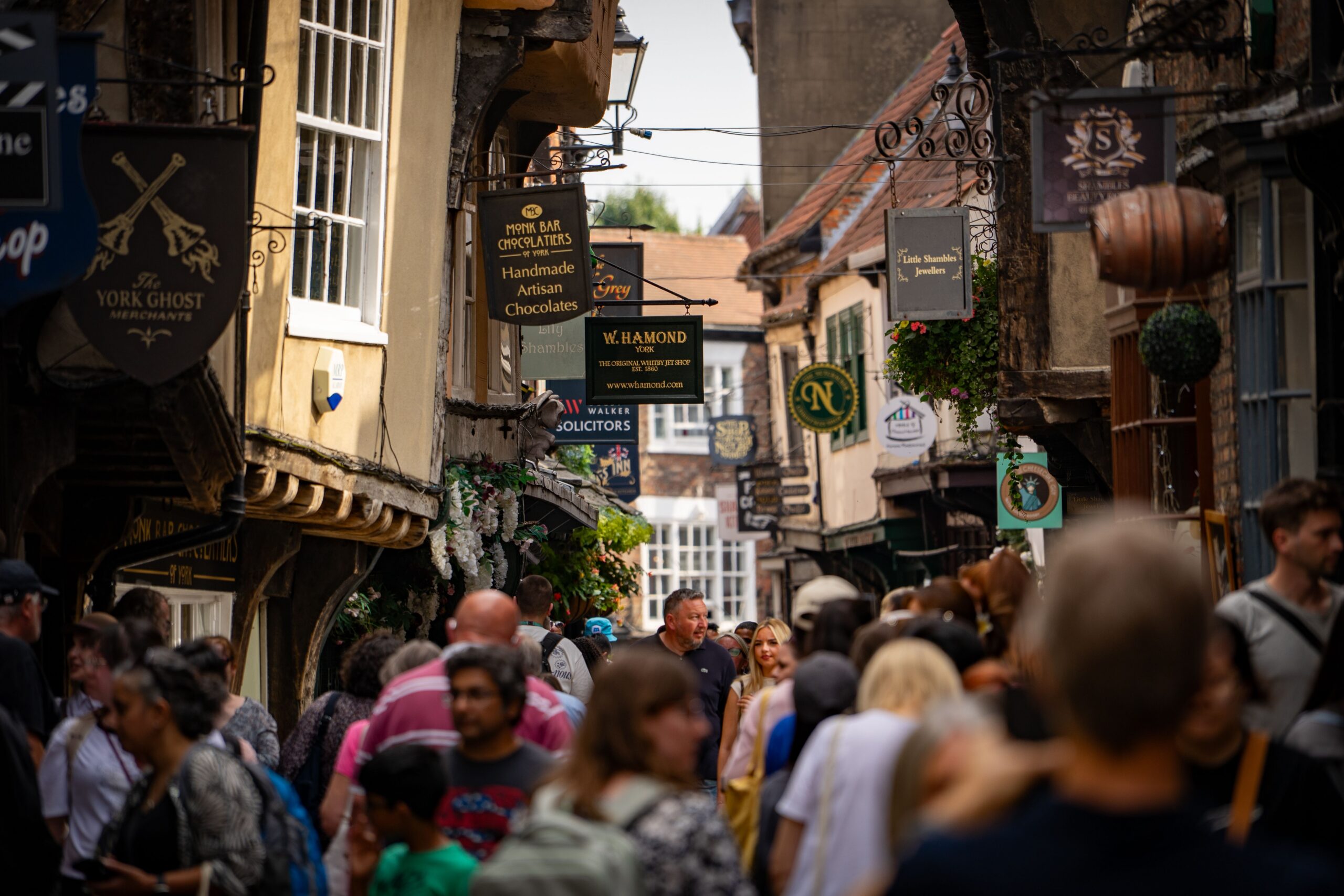
York’s compact historic centre makes it attractive for groups wanting a strong evening experience without extensive
transport. Medieval streets, historic buildings and established storytelling traditions can be incorporated after a day of
sightseeing. Because central coach access is more restricted than at an out-of-town attraction, drop-off and pick-up
points should be planned carefully. The evening can be strengthened with an early dinner or traditional pub meal, giving
the programme a clear progression rather than treating the ghost element as an isolated activity.
London: History with an Evening Edge
London allows agents to introduce dark-history content while retaining the major attractions expected by first-time visitors. The Tower of London, historic City lanes, the East End and theatrical evening experiences can all provide an
atmospheric layer within a broader programme. This is particularly useful for mixed-interest groups: guests still receive
the principal London highlights, while the evening offers a seasonal point of difference. Walking distances, traffic and
late-evening coach arrangements should be considered when selecting the final experience.
Ireland: Folklore, Castles and Storytellin
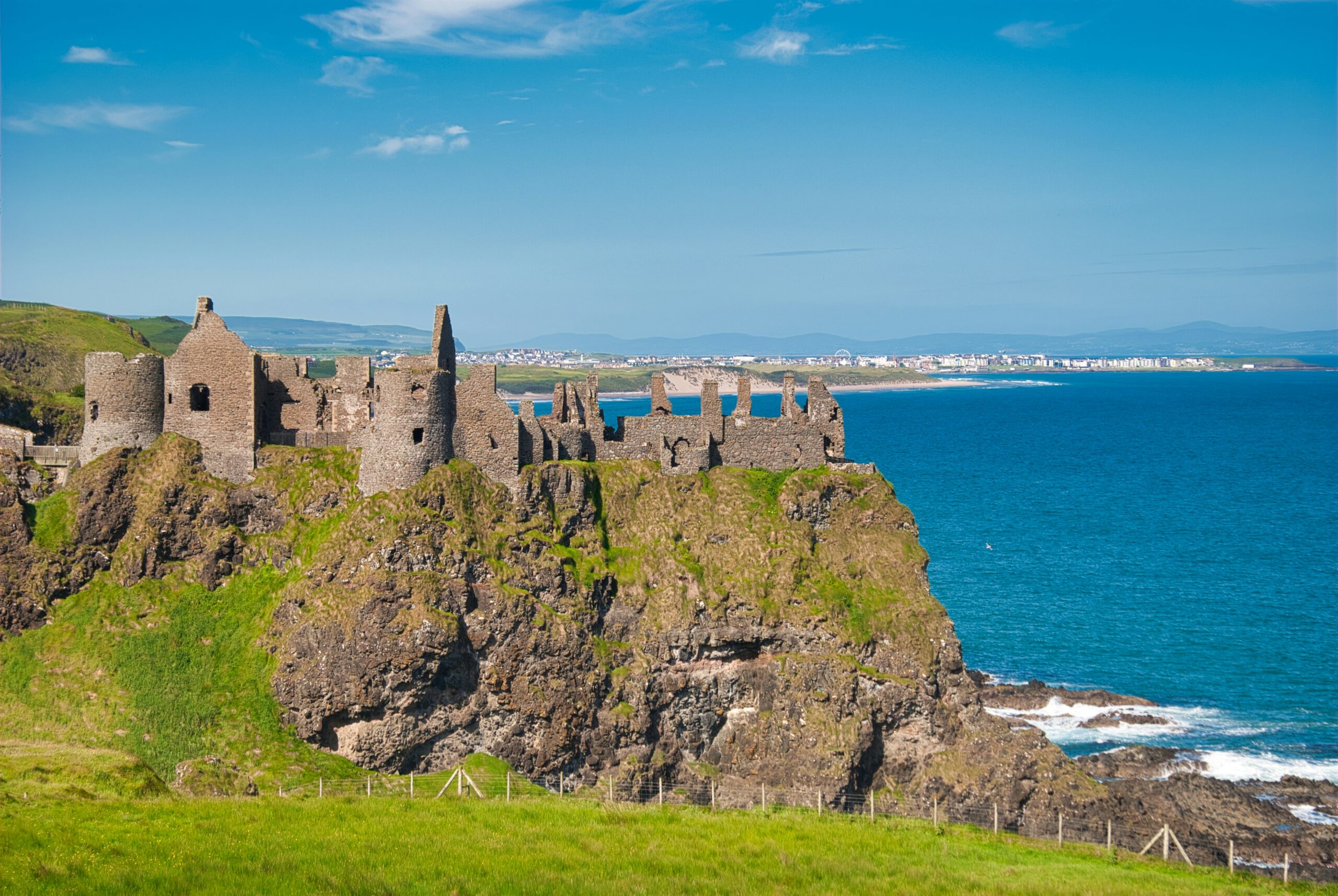
Ireland often suits folklore and storytelling more naturally than a heavily horror-led approach. Dublin, Kilkenny and historic
estates can combine legends, literary connections, local history and atmospheric dining. A storyteller, private guide or
hosted dinner can be especially effective for incentive groups, where the objective is less about frightening guests and
more about creating a memorable sense of place.
Operational Notes for Autumn Groups
Autumn programmes require practical preparation. Check minimum ages, accessibility, steps, uneven surfaces, late
opening hours and whether the chosen attraction accepts private groups. Guests should be briefed for cold or wet
weather, particularly when the experience involves extended walking. An indoor alternative is valuable where an outdoor
component could be affected by severe weather. Agents should also avoid overloading the itinerary: one strong
atmospheric evening will usually have more impact than several similar ghost-themed experiences.
Expert Tips
- Use genuine local history as the foundation rather than relying on generic Halloween themes.
- Place the strongest atmospheric experience in late afternoon or evening.
- Check walking distances, stairs, uneven surfaces and accessibility before confirming.
- For incentives, consider private storytelling, hosted dining or exclusive group access.
- Keep an indoor alternative available for poor autumn weather.
FAQs
What are the best Halloween itineraries for group travel in the UK and Ireland?
The strongest programmes use authentic local history as the foundation. Edinburgh can combine Old Town heritage with
underground or storytelling-led evening experiences; York works well for medieval streets and established ghost-tour traditions;
London can layer darker historic narratives into a wider sightseeing programme; and Ireland is particularly suited to folklore,
castles and hosted storytelling.
How many Halloween-themed experiences should be included in a group itinerary?
Usually one strong evening experience is enough. The rest of the programme can remain destination-led, using historic sites,
local dining and daytime touring so the itinerary feels balanced rather than overly themed.
What should planners consider when arranging dark-tourism experiences for groups?
Check group capacity, walking conditions, accessibility, age suitability, operating times and the tone of the experience.
Outdoor evening activities should also have realistic weather planning and a suitable alternative where possible
Enquire about a tailored autumn group programme
Let Interopa create a tailored autumn itinerary combining authentic local experiences, seasonal
highlights and carefully planned touring across the UK and Ireland.


