INTRODUCTION
Royal London rewards groups who move on foot. Within a single afternoon, a well-planned route can take a group past three working royal residences, two royal parks and several ceremonial landmarks, without ever needing a coach.
For group tour operators building a first-time itinerary, the challenge isn’t finding royal sites – it’s sequencing them so the walking
distance, ceremony timings and group size all work together.
royal park elegance
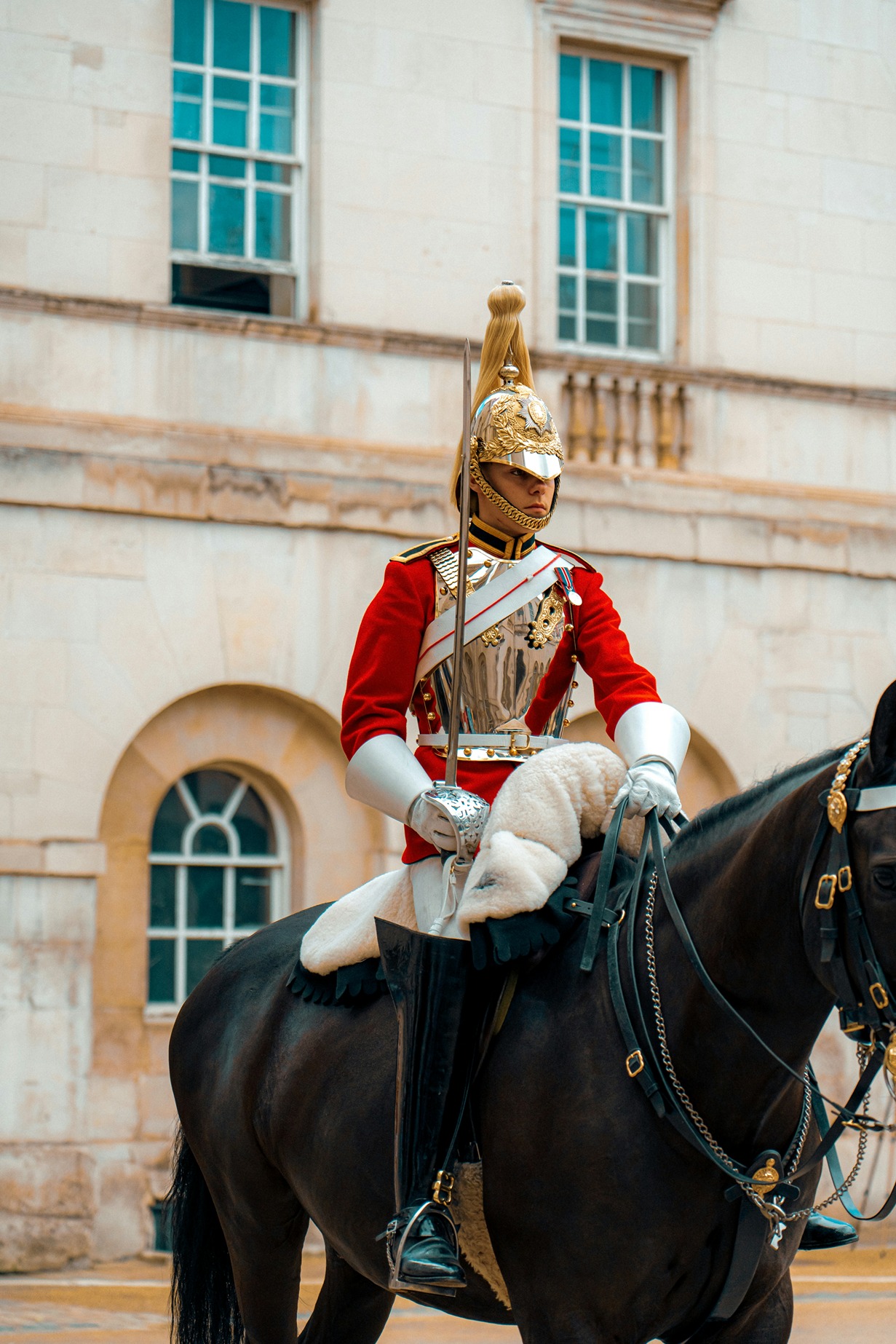
ceremonial guards
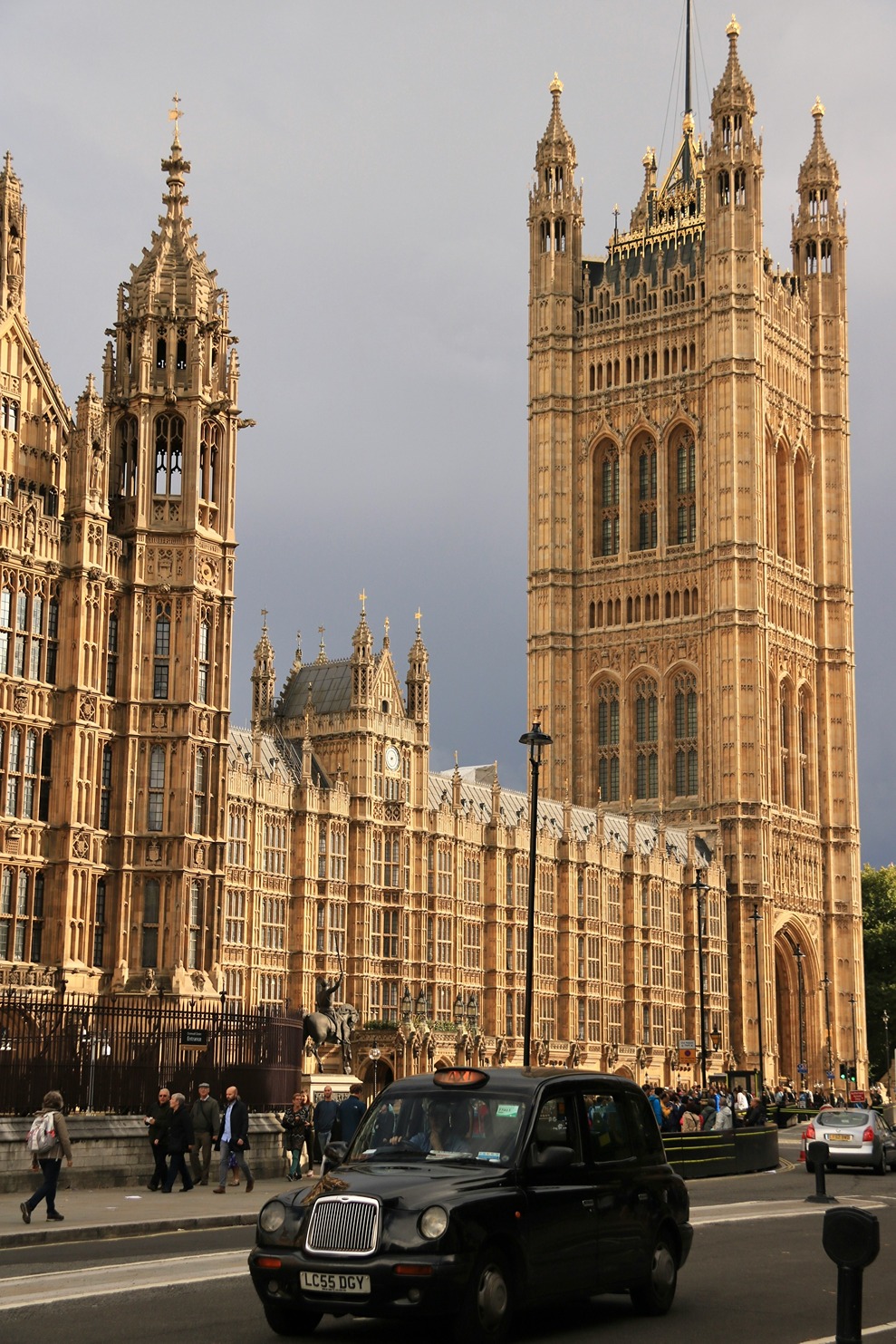
historic abbey views
Planning the Route
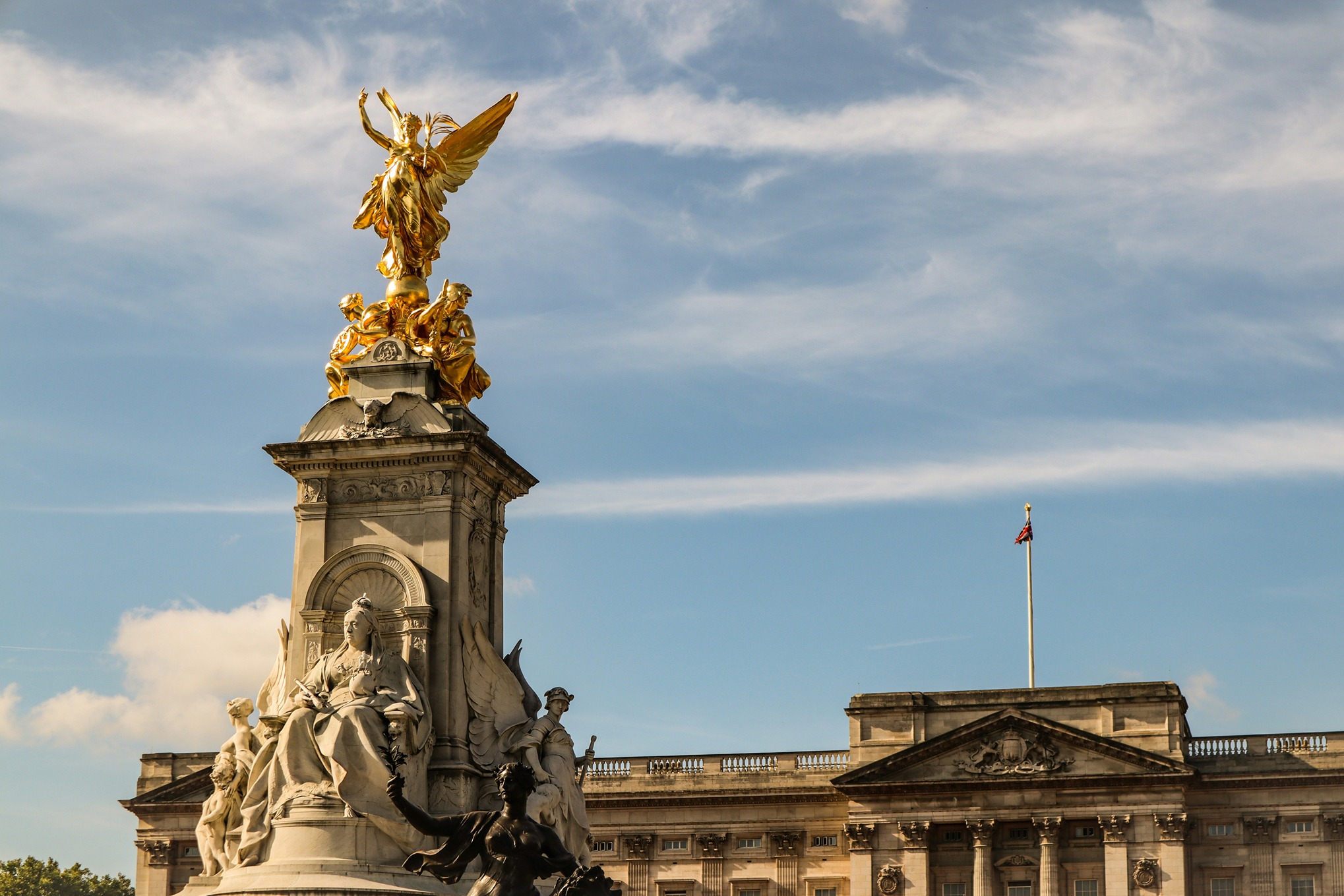
The most efficient royal London walk begins at Buckingham Palace, moves through St James’s Park to Horse Guards Parade and finishes at Westminster Abbey and the Houses of Parliament. This covers roughly two miles and can be walked comfortably in three to four hours,
including stops.
Groups timing their visit around the Changing of the Guard should confirm the current schedule in advance, as ceremony days vary seasonally and the crowds around the Palace railings build quickly.
Group Size Considerations
Pavements around Buckingham Palace and Whitehall narrow considerably during peak season. Groups above 25 people are best split into two walking parties with a lead and a rear guide, particularly when crossing at Trafalgar Square or navigating the security perimeter near Downing Street.
What to Include Beyond the Palace
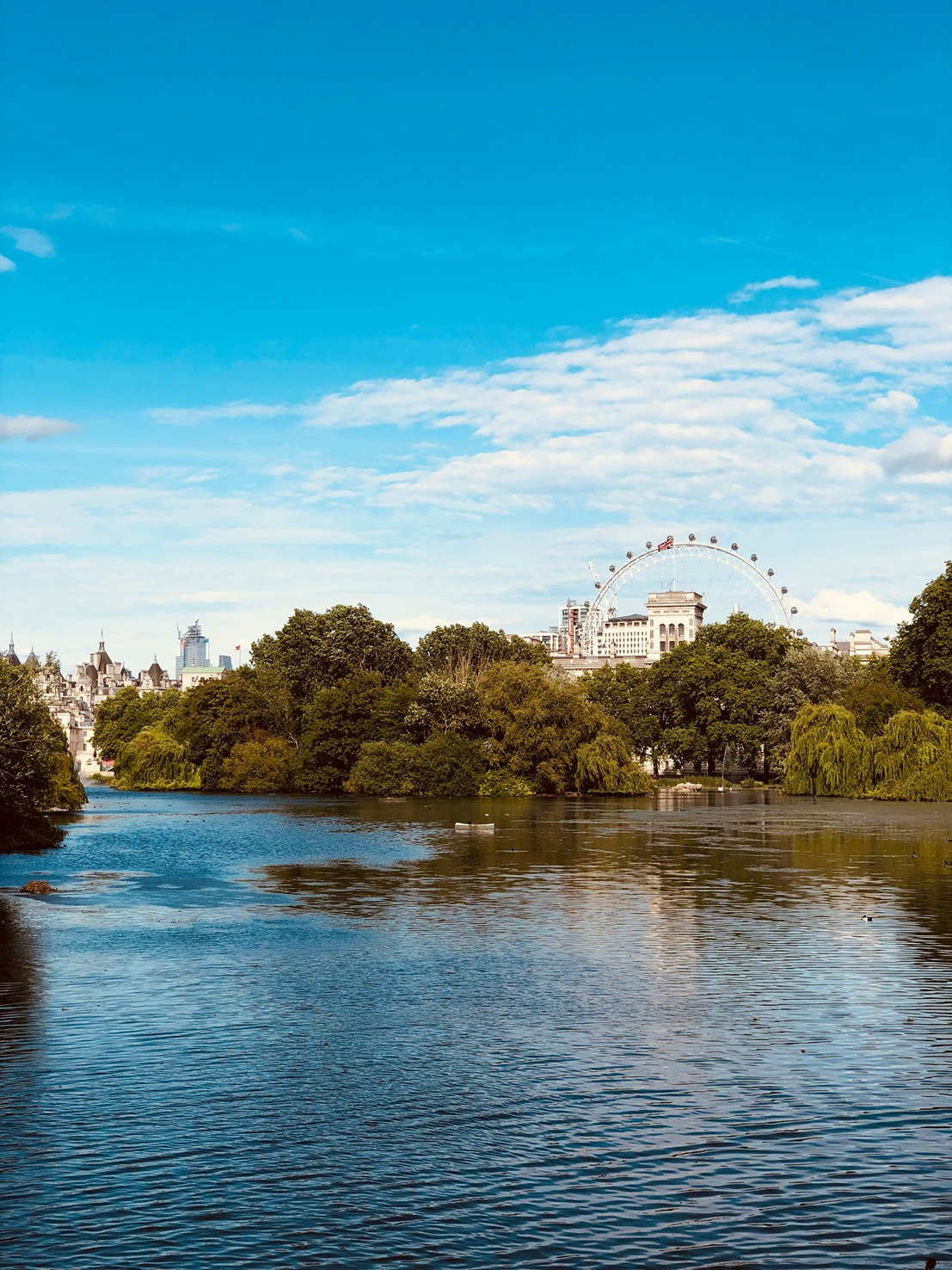
St James’s Park offers a natural rest point with views back towards the Palace, while Clarence House and St James’s Palace add lesser visited royal context for groups who have already done a standard London itinerary. Westminster Abbey, though not currently a royal residence, anchors the walk historically as the coronation church.
Expert Tips
- Start before 10am to walk ahead of the main tourist flow around Buckingham Palace.
- Build in a 20-minute buffer around Changing of the Guard days, as road closures affect routing.
- Brief guides on step-free alternatives, since several royal-adjacent pavements have kerbs and cobbles.
- Pre-book Westminster Abbey entry for groups wanting to go inside rather than view from outside.
- Pair the walk with afternoon tea nearby to give the itinerary a natural conclusion.
FAQs
How long does a full royal London walking route typically take?
Which royal sites can realistically be covered in one walking day?
Buckingham Palace, St James’s Palace, Clarence House and Westminster Abbey fit comfortably; Windsor and the Tower of London require separate trips.
What’s the best starting point for a royal London walking tour?
Buckingham Palace, ideally arriving before 10am, gives groups the clearest views and the option to catch the Changing of the Guard.
Start Planning Your Journey
A royal London walking tour works best when it’s planned around timing rather than distance – the sites sit close together, but ceremony
schedules and crowd flow decide whether the day runs smoothly.
Start planning your UK and Ireland programme with Interopa. Our destination specialists can create bespoke itineraries for
incentive travel, corporate events, luxury FIT and group tours.
Where Stone Meets Imagination
The Soul of the City
Kilkenny’s beauty lies in its balance between grandeur and intimacy. The city unfolds around its crown jewel, Kilkenny Castle, a stately Norman fortress overlooking manicured lawns and the slow moving Nore. Its presence anchors the city, a symbol of endurance and artistry. Beyond the castle walls, the Medieval Mile connects landmarks like pearls on a thread: St. Canice’s Cathedral, the Black Abbey and Rothe House, each revealing a different era in Kilkenny’s story.
The streets themselves form a living museum. Stone bridges cross the river, cafés spill onto cobbles and shopfronts gleam with hand carved signs. The atmosphere is warm yet regal, a harmony of heritage and hospitality.
In the evening, golden light catches on limestone façades, turning the city’s nickname, “The Marble City”, into something literal. There’s a quiet pride here, not shouted but felt, a sense that Kilkenny’s rhythm flows deeper than tourism, sustained by those who call it home.
Journeys Through Craft and Time
To discover Kilkenny is to indulge both curiosity and craft. Begin at Kilkenny Castle, where guided tours reveal art filled chambers, sweeping staircases and centuries of architectural evolution, from Norman fort to elegant manor. Walk the Castle Park gardens, where fountains, sculpture trails and wildflower meadows create a calm retreat in the heart of the city.
Follow the Medieval Mile, tracing the route of history through narrow passages and hidden courtyards. Visit Rothe House, a perfectly preserved merchant’s townhouse from the 1600s, where exhibits bring Kilkenny’s urban story to life. Then climb the round tower of St. Canice’s Cathedral for panoramic views, rooftops, hills and history stretching into the horizon.
For art and design enthusiasts, the Kilkenny Design Centre offers a curated showcase of Irish craftsmanship, from handwoven textiles to contemporary ceramics. Across the courtyard, the National Design and
Craft Gallery celebrates modern Irish creativity through rotating exhibitions and workshops.
When evening falls, dine at Ristorante Rinuccini, where Italian passion meets Irish produce, or at Campagne, a Michelin starred gem blending rustic comfort with refined taste. Then end your night in a traditional pub, where live music and laughter fill the stone walled rooms.
A Living Canvas of Culture
Kilkenny’s culture thrives on contrasts, medieval in form, modern in feeling. It’s a small city with a large creative footprint, home to festivals that rival any capital. Every summer, the Kilkenny Arts Festival transforms its streets into open air stages, with performances that spill from courtyards, cathedrals and gardens. The Cat Laughs Comedy Festival, meanwhile, draws performers and audiences from across the world, its humour as sharp as the city’s wit.
Artisans and makers define Kilkenny’s personality. Potters, jewellers and designers work in historic workshops, continuing a tradition of handcraft that stretches back centuries. This is Ireland’s design capital, not by decree, but by nature.
Yet for all its artistry, Kilkenny remains wonderfully human. Locals greet you with curiosity and charm; stories are shared over coffee, stout, or song. There’s no rush here, only rhythm, shaped by conversation, creation and quiet pride.
Seasons in Stone
Kilkenny changes with the seasons, each bringing its own mood and magic.
Spring fills the castle park with blossoms and gentle sunlight on stone. Street musicians return to the bridges and cafés open their terraces to the river breeze.
Summer is the season of celebration, arts, crafts and laughter filling the lanes. The festivals turn the city into a theatre without walls, where history becomes backdrop and imagination takes centre stage.
Autumn deepens the city’s colours; ivy creeps over the castle walls and the river mirrors gold. It’s the perfect time for warm pubs, slow meals and evenings filled with music.
Winter transforms Kilkenny into something cinematic, lanterns glowing against mist, Christmas markets in the castle courtyard and laughter echoing through frosted streets. Even in the cold, Kilkenny feels welcoming, like a story told by firelight.
Beyond the Walls
Beyond the city walls, Kilkenny opens gateways to Ireland’s hidden heartlands. Just a short drive away lies Jerpoint Abbey, a hauntingly beautiful Cistercian ruin framed by rolling countryside. Thomastown and Inistioge offer riverside tranquillity, their stone bridges and tree lined walks perfect for reflective escapes.
To the north, the Castlecomer Discovery Park combines forest trails, zip lines and art installations a haven for families and adventurers alike. Wine lovers can visit Highbank Orchards, where organic ciders and brandies capture the essence of the Irish harvest.
Every journey from Kilkenny feels close yet distinct a continuation of the city’s story, from the creative to the pastoral, the ancient to the ever new.
Final Impression: The City That Breathes Creativity
Kilkenny is Ireland in miniature, artistic, historic and endlessly alive. It is a city that celebrates both craft and character, where every stone holds memory and every encounter holds meaning.
To visit is to slow down and see, to notice texture, laughter and light. Kilkenny doesn’t ask for attention; it earns it, quietly and completely.
Here, past and present exist in harmony, joined by imagination.